Historic ruins, momentous memorials, and scenic gardens.
There’s so much to discover within the Cathedral grounds.
Places to explore

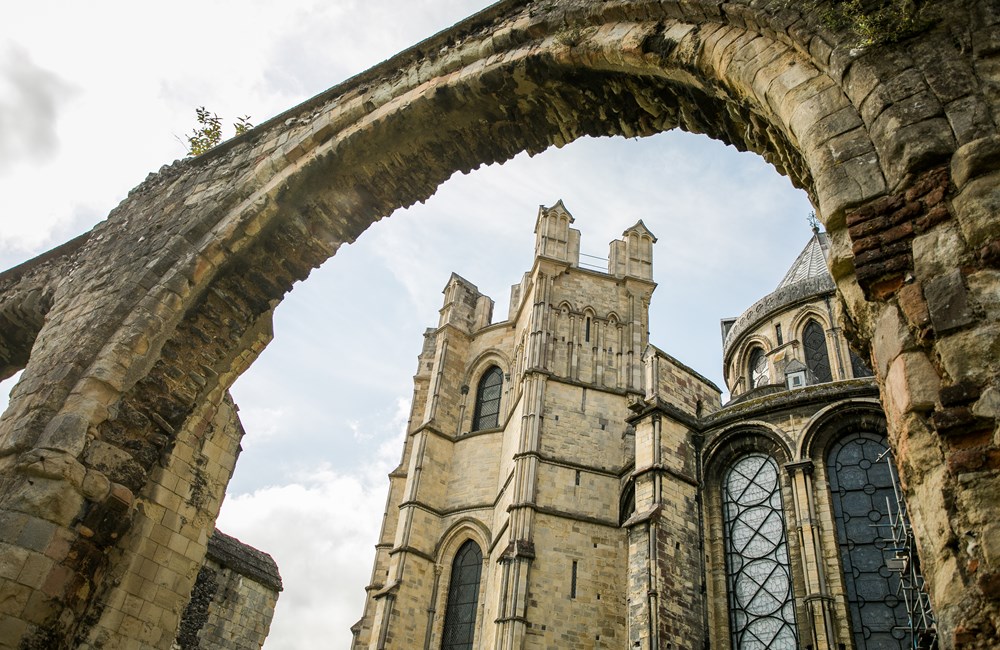
The Great Cloister
Explore what was used as an access route to accommodation for the Benedictine monks. Adorned with over 800 architectural shields, which represent important families and donors to the Cathedral, along with symbols of spectacular mythical creatures and green men. The picturesque garden, known as the Garth, is an open space historically used for burial.

The Memorial Garden
There are many Memorial Stones within this garden. The central cross was inspired by the Cross of Sacrifice in Belgium, and shows the Crusader’s Sword, the Ship of Sea Power, and a wreath of roses and lilies. The ‘Khachkar’ cross, crafted from Armenian volcanic stone, commemorates the Armenian Genocide of 1914-1923. And the tall ‘Wilberforce Standing Stone’ reflects William WIlberforce’s contribution to the abolition of slavery.

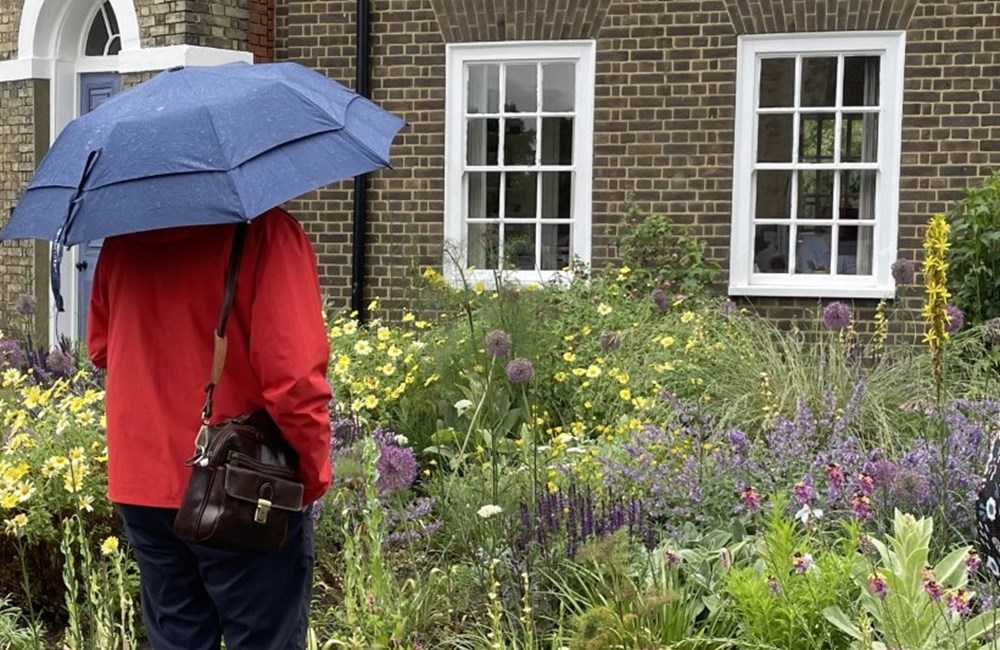
Friends Garden
With support from The Patron’s Fund, this garden is a wildlife hub which provides year-round interest. There are plenty of benches to relax and soak up the tranquil surroundings. The garden also includes a statue of The Buff, which commemorates the Royal East Kent Regiment whose history dates back to 1572.

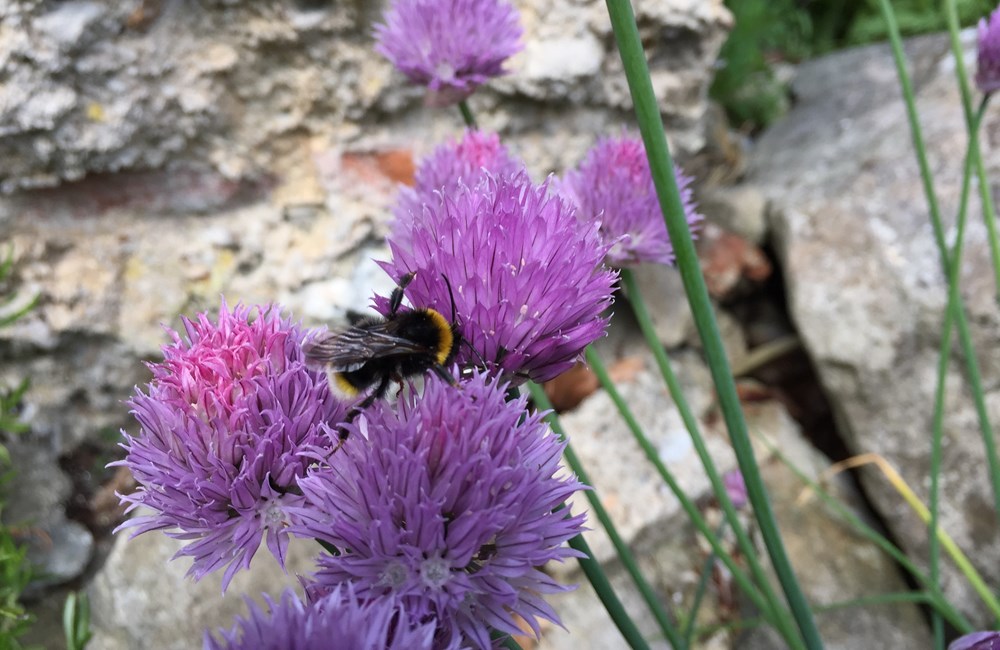
Herb Garden
In 2005, a 16th century medicinal herb garden was recreated amongst the monastic dormitory ruins. The original garden cultivated herbal remedies, and plants for brewing, dyeing, ink-making, and cooking.

Water Tower Garden
Located close to the dormitory passage, the 1160 Water Tower was used to enable monks to wash their hands en-route to the Cathedral. A ground plan bound within the ‘Eadwine Psalter’ prayer book shows much about the waterworks and now resides in the Trinity College Library in Cambridge.

Infirmary Ruins
The infirmary ruins were part of the former monastic infirmary and chapel. After the Reformation, the infirmary was converted into houses, but by the 19th century they had fallen into disrepair.

War Horse
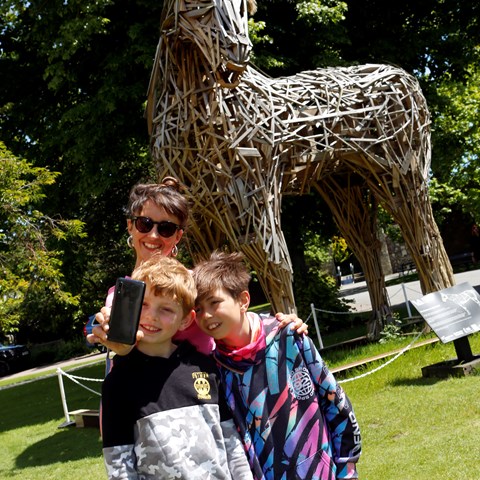
Nicknamed Joey, after the horse in Michael Morpurgo’s classic novel ‘Warhorse’, the 20ft structure commemorates the centenary of the end of the First World War. It was built by students and staff from Canterbury College, with the amazing support from local businesses.

Plane Tree
Located just outside the Memorial Garden, the Plane Tree has distinctive bulbous bark and impressive wide trunks. At least three were planted around the city in the early 1800s, and all together seven similar trees can be found around Canterbury.
Book your tickets now
Annual passes start from £18.00 - with unlimited return visits, Mini Talks, exhibitions and activities included - plus Kids Go Free every day! (T&Cs apply)
Get free entry with a Cathedral Pass or Friends Card, plus other concessions available, with a valid proof of eligibility.
Group visits and school visits must be booked separately; KIDS GO FREE offer does not apply to group or school visits.

Fascinating facts
1160
The approximate year in which our incredible Water Tower was built.
It introduced a system bringing in clean water, and monks lived in this quarter for over 1,000 years until the Dissolution of the Monasteries.
The monks used and tended to the medieval herb garden close by, which you can still visit and enjoy today.
20
The height in feet of the Canterbury War Horse, in the Cathedral’s Precincts.
The horse was created to mark the centenary of the end of the First World War and to commemorate Armistice Day.
The project was led by sculptor Clive Soord and was built by students and staff at Canterbury School of Visual Arts and Canterbury College.
2
The number of crosses you’ll find in the Kent War Memorial garden, just to the east side of the Cathedral Precinct.
A calm and peaceful enclosed garden, this is the perfect place to sit and relax during your visit.